Page 22 of 312

Just know this

Every parent wants goodness for their children, even if we’re all a tad misguided as to what those good things might be. Lately I’ve been trying to focus in on a few key things. If I could make sure my children know these things before they leave my home, I feel like I’ve set them up for a relatively successful life.

Of course, I also hope they know how to do their own laundry, pump their own gas, choose a perfectly ripened avocado, and settle into a rainy day with a good book. And balance a checkbook. And write a thank you note. In terms of skills, I could go on and on.

But what I’ve really be considering is what I want them to know. Here’s what I’ve come up with:

  1. You are loved simply by virtue of being born. It’s not earned by good behavior, skills, knowledge or virtue. You don’t have to work at being loved and no amount of poor behavior changes my love. (Some elements of our relationship will change based on behavior, but my love is not one of them.)
  2. The difference between a want and a need. This may be the key to unlocking true contentment. Things and stuff are not bad, but if you cannot separate what you want from what you need, you will likely be controlled by your stuff and things and a constant sense of yearning that will never be fulfilled.
  3. No one is out to get you. Truly, though you are loved and even sometimes talked about, no one is giving you as much thought as you are giving you. Coaches, parents, bosses and teachers make decisions based upon the good of the whole group, not necessarily with you as the center. That being said, you can expect a certain level of human decency and a fair amount of equal spotlight from the people helping you to grow into a better human. They do see you. They’re simply not ordering everything around you.  (Nor should they.)
    Also, I did not get up in the middle of the night and move your shoes. Neither did your siblings. Stop shifting the blame of your poor memory and habits onto other people.

These are my starting points. I think there might be more, but I’d love to be influenced.
Weeds

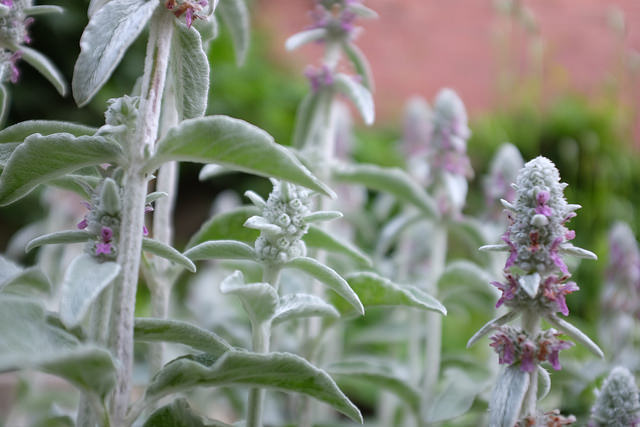
I spent a considerable amount of time this week among the Lamb’s Ear in the garden. Here’s what you might not know about this common plant:

  1. It has herbal remedy properties. My herbalist sister calls it “nature’s band aid” because it’s able to adhere to your cut or scrape to keep it clean.
  2. It’s prolific. It has flourished under my black thumb.
  3. It’s actually quite beautiful. It has a silvery look and is soft to the touch. The blooms are also attractive.
  4. Some would classify it as a WEED.

There’s a class of people who turn their noses at the Lamb’s Ear, and after such work of getting rid of it, I might join the club. I’m pretty certain the previous owners of the house planted the flower in a few places as part of the landscaping, yet I’ve spent hours yanking it out by the handfuls.

More than once, I’ve wondered who gets to decide whether a plant is, indeed, a weed or worthy cultivation in a flower bed. I mean, who had it in for the dandelion? Ask any 5-year-old and they would tell you that it’s a complete atrocity to believe the sun-headed flower could be such a nuisance.

I decided the line between flower and weed gets crossed when you no longer have the ability to keep it where you want it to grow. It gets out of order. It might even take over.

A plant goes from desired landscaping to pesky intruder when the gardener is no longer in charge. It might be beautiful. It’s probably helpful in some way. You might even really like it. But it gets out of control. And keeping it around means more rewardless work than beauty and enjoyment.

I have to wonder how many of us keep proverbial gardens full of weeds in our lives. It’s probably something we originally planted with purpose, but it grew uncontrollably, perhaps to the extent that it’s overgrowing a beloved rose bush. This thing in your life: it could be beautiful. It’s probably helpful. And you might even really like it. But it’s out of control.

Sometimes a plant is a flower. Sometimes it’s a weed. How do you know the difference? Check the health of the plants around it. And ensure you have space to walk – if you cannot even move about, to enjoy it’s beauty, what’s the good of keeping it around?

What good looks like

It’s Friday, which means no one wants to move very quickly. Lunches were not packed while mama was gone last night and shoes were not put away, which means that favorite footwear was unavailable for today’s wearing. The early morning scramble is not my favorite part of parenting.

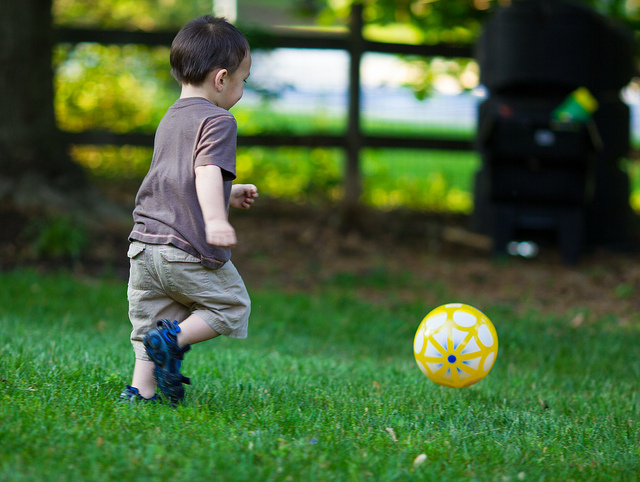
As the car sped away, I watched out the window to see my youngest two fully clad in baseball attire, ready to start their day. Then out came the soccer ball and the two of them stood together pretending to get team pictures before starting a game. (I’m not even kidding. The cutest thing.)

Sometimes I wonder why we do the things we do. Sometimes “not working” can feel like a bigger burden than employment. Financially, our life would make more sense to have more than a few yoga classes and contract work for income. And, quite frankly, I’m much better with the general public than with small children. I have more patience for the shortcomings of others because I don’t have to take it home and put it to bed.

But a childhood filled with playing in the yard, picnics at a park and trips to the library just seems right. When I think about what “good” looks like – how I know if we’re living a “good life” – days together fit into the picture for our family.

For some families, their weekends together and evenings of baseball tournaments are the best part of the landscape. Others come to see their trips and places they visit as their markers of good. All of these things can be wonderful; my version of a good life need not be the standard operating definition.

However, knowing what you’re aiming for, and recognizing it when it’s happening in front of your very own eyes, might be the most important part. When we sit down to dinner together, I can say, “Yes. Here. This is why I do what I do.”

May we all find markers throughout the days to remind us why we do what we do. May we recognize the life we’re creating and choose to revel in that joy when it opens up before our very eyes.

« Older posts Newer posts »

© 2026 Michele Minehart

Theme by Anders NorenUp ↑