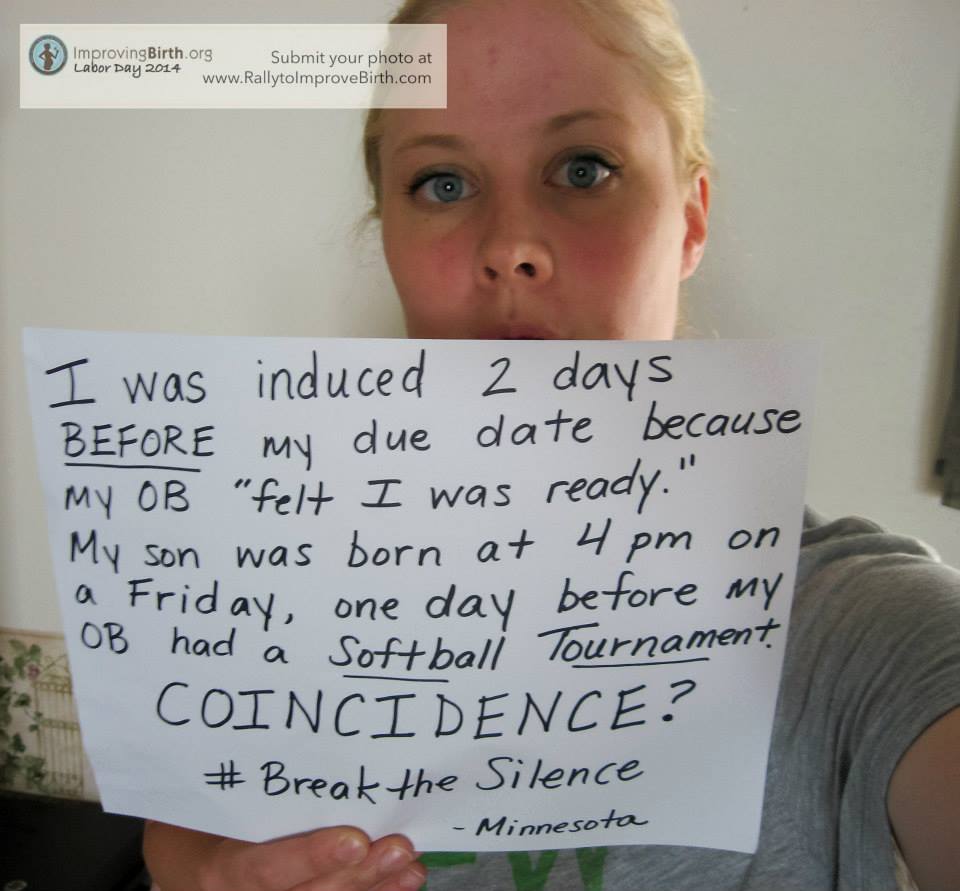
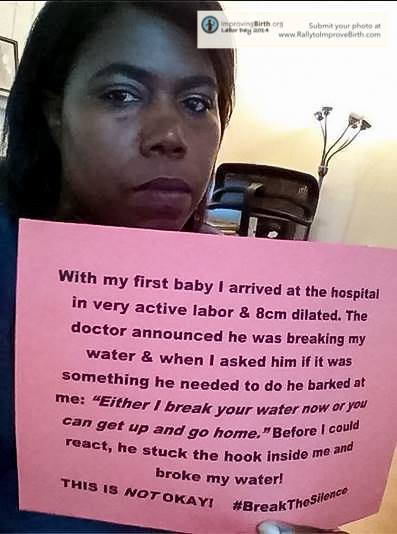
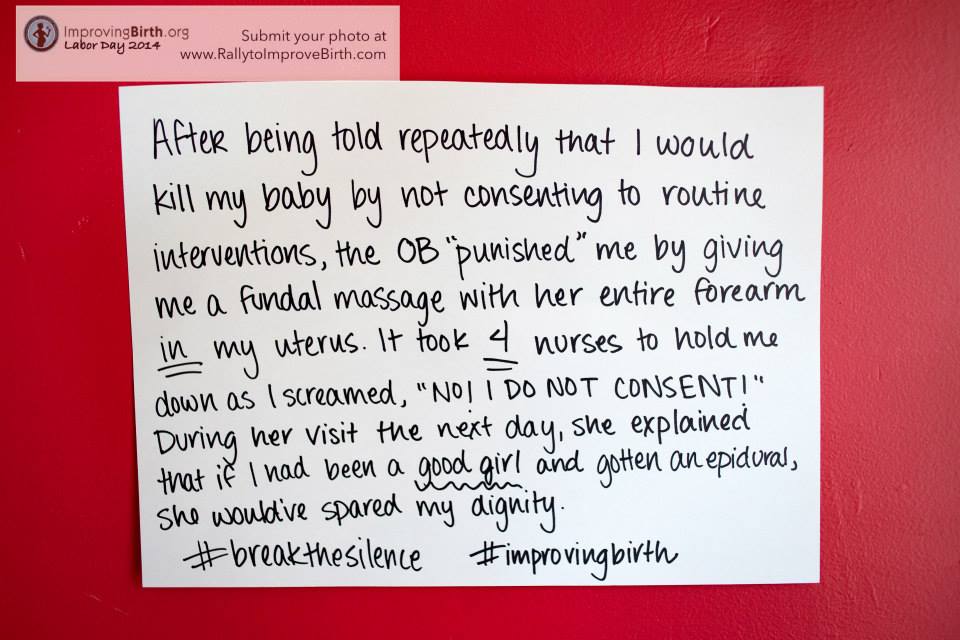
For all 4 babies, I had nothing but terrific birth experiences. Please, put that in perspective that I was giving birth, so it wasn’t filled with rainbows and lollipops, but at the end of the day night, I had no regrets about labor or delivery. I had built a strong relationship with my first midwife, Bonnie, who delivered my first 3 kiddos. She knew my wishes, talked me through the hard parts and had nothing but encouragement for my desires for a natural delivery. (She was supremely supportive of my friends who opted for as many painless options as possible, which is what makes her a great practitioner.) Going into that L&D room, I knew that if Bonnie said I needed to take a different course of action, I needed to listen. I had nothing but trust for her.
My relationship with the midwife practice who delivered my 4th was also positive, however there were 4 midwives in the rotation, so I just didn’t have the opportunity to grow the rapport. It was still a positive experience and I had a good understanding of the ethos of the practice so I could trust them.
With this perspective in mind, I’m absolutely appalled this isn’t the case for all women. When I started following ImprovingBirth.org on Facebook, I was horrified at the stories.

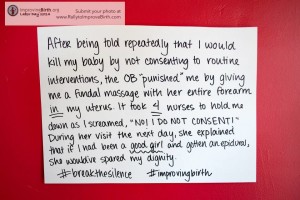
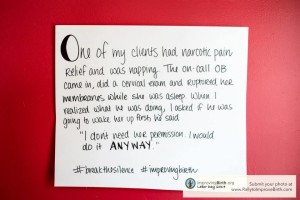
I respect doctors and midwives and the years they’ve spent practicing and training. They have delivered more babies than I have. The wisdom of the medical and birthing community is needed. Based on my experience alone, it’s clear the above stories aren’t the norm for women.
Friends of mine have experienced emergency c-sections and even post-birth emergencies that could have been quite grave. Praise Jesus for knowledgeable professionals that acted quickly to preserve as much wellness to the situation as possible. Not everyone gets an easy-peasey delivery. Cords are wrapped, heart rates drop, body parts get stuck. Birth is messy and different, every single time for every single woman. So a level of trust must be established for a doctor or midwife to take necessary action in critical situations. We cannot second guess every decision of the health care industry (though I’m the first to question several).
On the other hand, these stories are real for far too many. Women in our developed, first-world country with freedoms guaranteed, did not welcome their babies with such love and joy. It is a sad day, indeed, when fear trumps love on a day so special to families, not because of tragic situations but rather because of tragic carelessness of people’s souls.
Birth, while a joyous and necessary ordeal, can be extremely humiliating. There’s the nakedness. And people’s hands are all over you. I’m not sure it’s protocol for a nurse to shake your hand before she shoves hers in a personal space to “check your progress.” By the time the baby arrives, you have a crowd of people which you never met with access to knowledge about your shaving or waxing preferences. Of course this comes with the territory because it’s the territory of birth, but just because you find yourself in humble situations does not mean you need to be treated with disrespect. In fact, it is precisely because we’re in a humble situation that grace should be most extended, is it not?
Immediately I was taken to a story present in all three synoptic Gospels.
[box] A large crowd followed and pressed around him. And a woman was there who had been subject to bleeding for twelve years. She had suffered a great deal under the care of many doctors and had spent all she had, yet instead of getting better she grew worse. When she heard about Jesus, she came up behind him in the crowd and touched his cloak, because she thought, “If I just touch his clothes, I will be healed.” Immediately her bleeding stopped and she felt in her body that she was freed from her suffering. At once Jesus realized that power had gone out from him. He turned around in the crowd and asked, “Who touched my clothes?” “You see the people crowding against you,” his disciples answered, “and yet you can ask, ‘Who touched me?’ ” But Jesus kept looking around to see who had done it. Then the woman, knowing what had happened to her, came and fell at his feet and, trembling with fear, told him the whole truth. He said to her, “Daughter, your faith has healed you. Go in peace and be freed from your suffering.” Mark 5:24-34[/box]
Years of bleeding and mistreatment by doctors (the text indicates a majority of male physicians, I believe) who also took her money (can we get political about the cost of birth in this country?!) and she’s out of options. She yearns for wholeness, to be included and treated like a woman again, not just a thing currently enduring a condition.
She’s in the midst of a crowd, a gaggle of onlookers wanting to know who is slowing down the show by requesting something so simple as a touch of the robe, which she fought tooth and nail to the front of the line to steal. Jesus asks the entire crowd who touched him and she meekly steps forward, falling at his feet. I wonder if she fell face down because she couldn’t bear to look him in the eye. She trembled with fear at what could happen. Fear. The hands of so many healing men before this one had brought destruction and though she believed this one could be different, her experiences cause a reaction quite the contrary and she trembles.
Ultimately, she gets healed. One of the other gospel writers says, “immediately the flow stopped.” Treating someone as human has immediate effects. Jesus states that her faith healed her. Faith in Jesus? Well, yes. And. Perhaps a faith that it doesn’t have to be this way. There is a better way of life.
There is a Kingdom in which the King believes that all people are… people. Loved. Cherished. Treasured. Made in the image of the one who Created each and every one of them.
The work of this organization brings doctors into the hot seat (and I believe it’s a deserved question, as it seems possible, if not likely, that such treatment of women has existed since, oh, Jesus’ time). Yet let us not all pick up a stone until we ask – how have we been tempted, nay, even acted, in ways that took advantage of those in humiliating places and times because we forgot they were human.
We hold just as much guilt for hurrying past a situation demanding mercy because we have an appointment with the cable guy.
I’m thankful when I found myself in humble situations, it became the opportunity for pain to bear joy, not heartache. Thoughtful and loving hands handled me and my little ones with care. It’s time we begin to demand this for all women. (And men and children, too, of course. Especially if any of them give birth.) And as we demand this in the delivery room, let us demand it of ourselves on the streets, in the stores and in the classrooms.